Living on the Moon in 2026: What Life Beyond Earth Could Really Look Like | Putiton
Exciting news: Platform relaunch on June 1st
Living on the Moon in 2026: What Life Beyond Earth Could Really Look Like
6 Views
Put It On NewsroomPutIton Newsroom
Living on the Moon in 2026: What Life Beyond Earth Could Really Look Like
Living on the Moon in 2026: What Life Beyond Earth Could Really Look Like
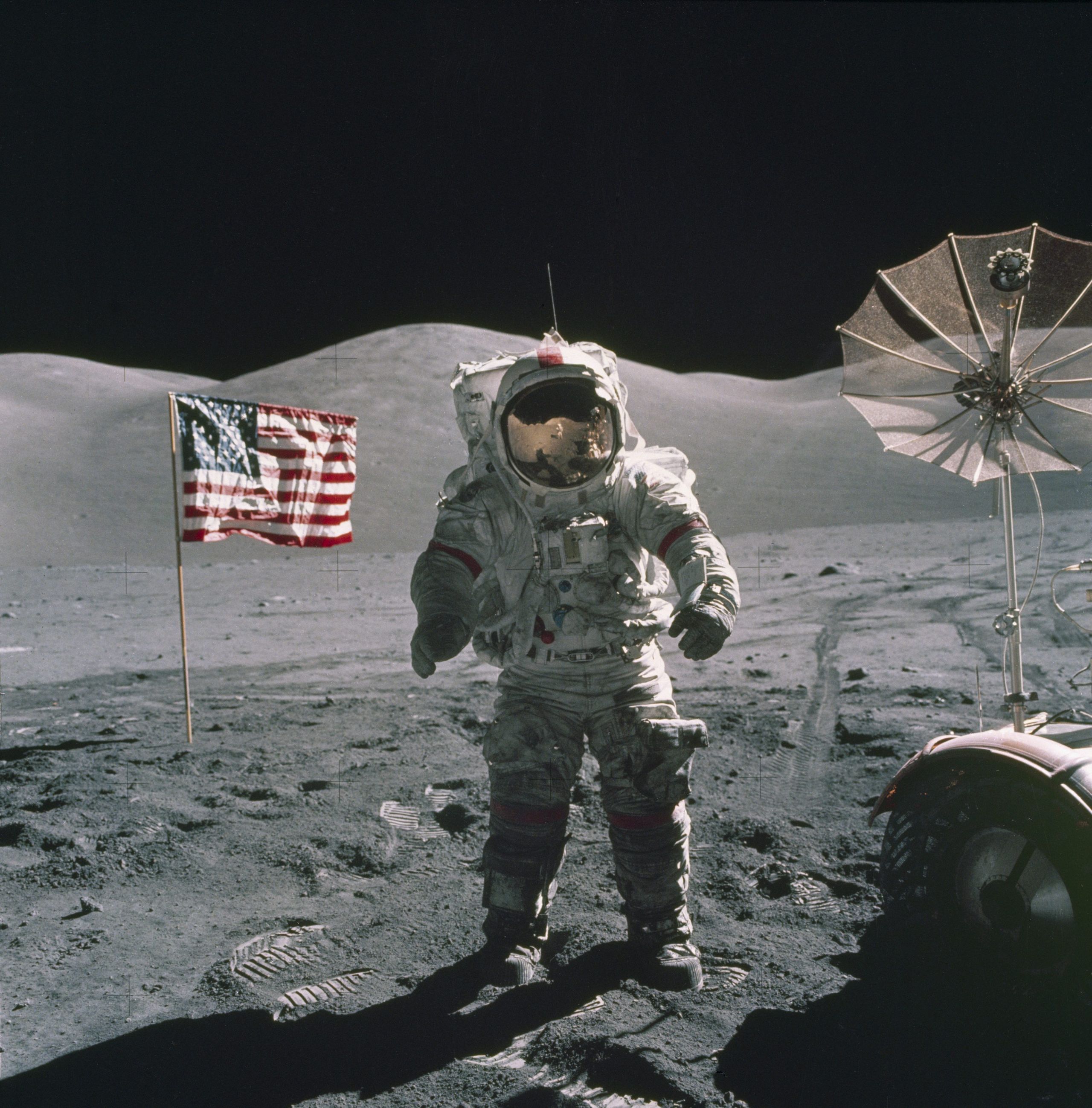
When Neil Armstrong first stepped onto the Moon in 1969, permanent life beyond Earth sounded like pure science fiction. But in 2026, that future is becoming increasingly realistic.
Thanks to next-generation space technology, AI-powered ecosystems, and ambitious lunar missions from NASA and ESA, humanity is preparing for a new era of moon living.
Space biologist Angelo Vermeulen already explained years ago that surviving on the Moon is not just about technology it’s about autonomy, sustainability, and mental resilience. According to Vermeulen, future lunar residents must learn how to live independently from Earth.
Why Living on the Moon Is So Extreme
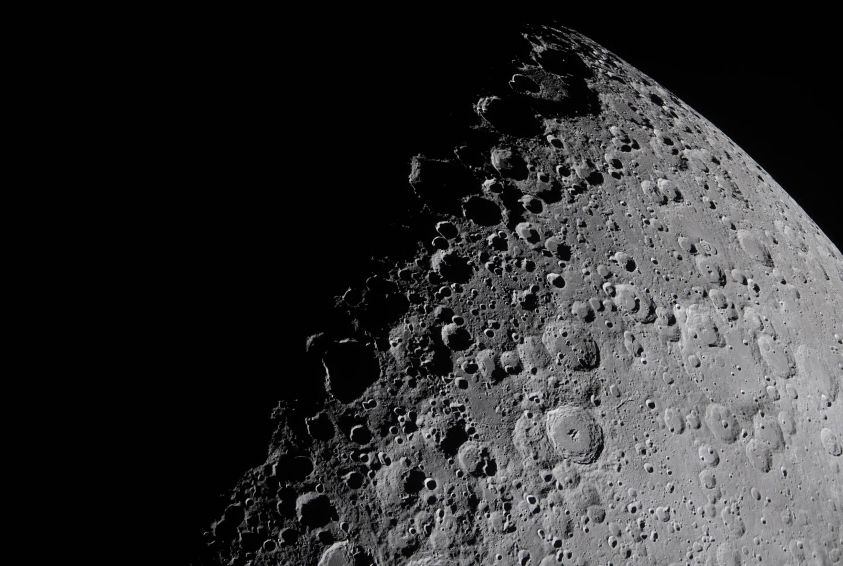
The Moon is one of the harshest environments in the solar system. There is almost no atmosphere, meaning humans are constantly exposed to:
extreme temperature swings
cosmic radiation
micro-meteorite impacts
low gravity
oxygen shortages
Traditional housing simply won’t work there. That’s why scientists are now exploring massive underground lava tunnels beneath the Moon’s surface. These natural structures could protect future lunar colonies from radiation and deadly impacts.
Building Moon Homes With Lunar Dust
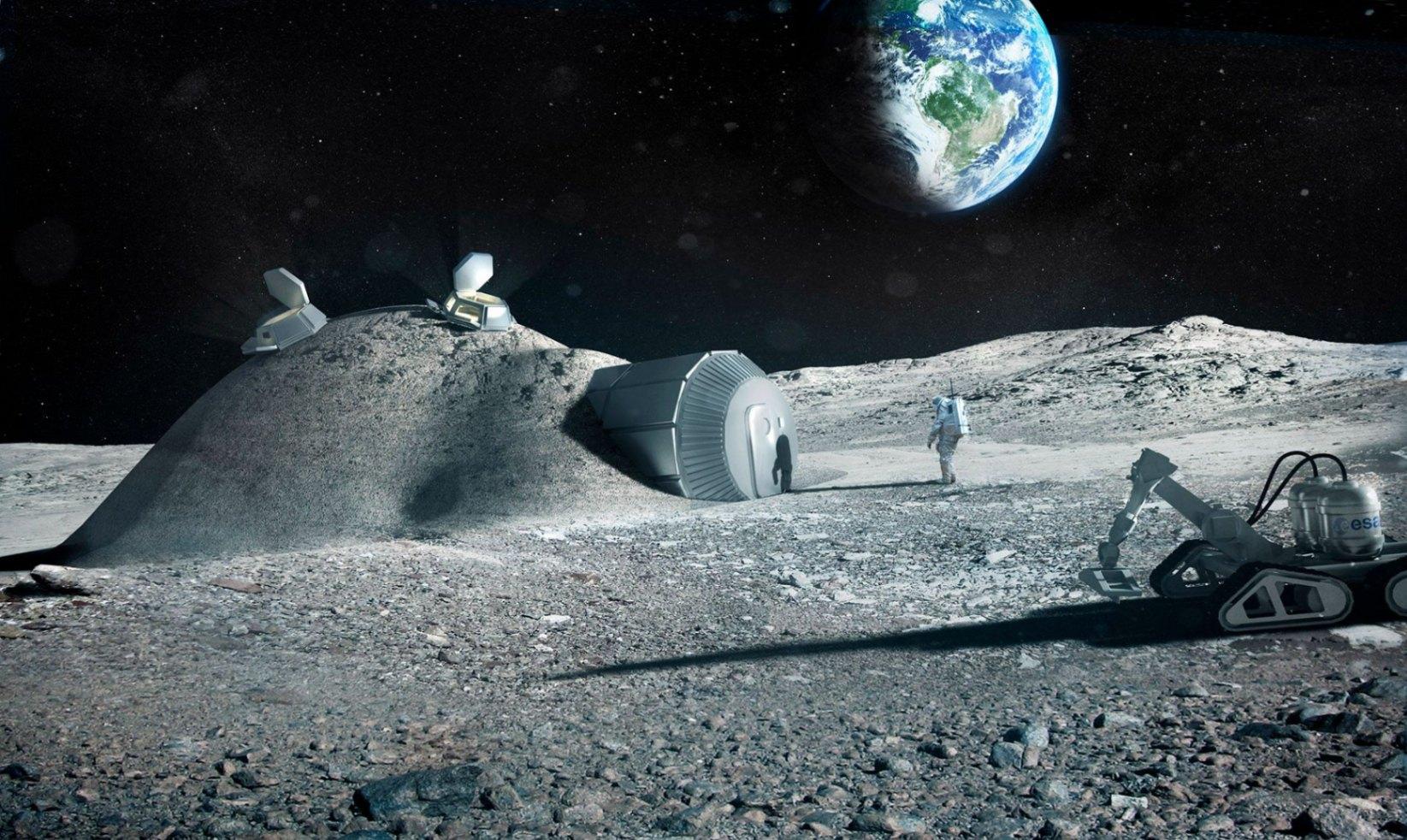
Transporting fully built habitats from Earth would cost billions. That’s why space agencies are investing heavily in “in-situ resource utilization” — using materials already available on the Moon itself.
Future lunar bases may include:
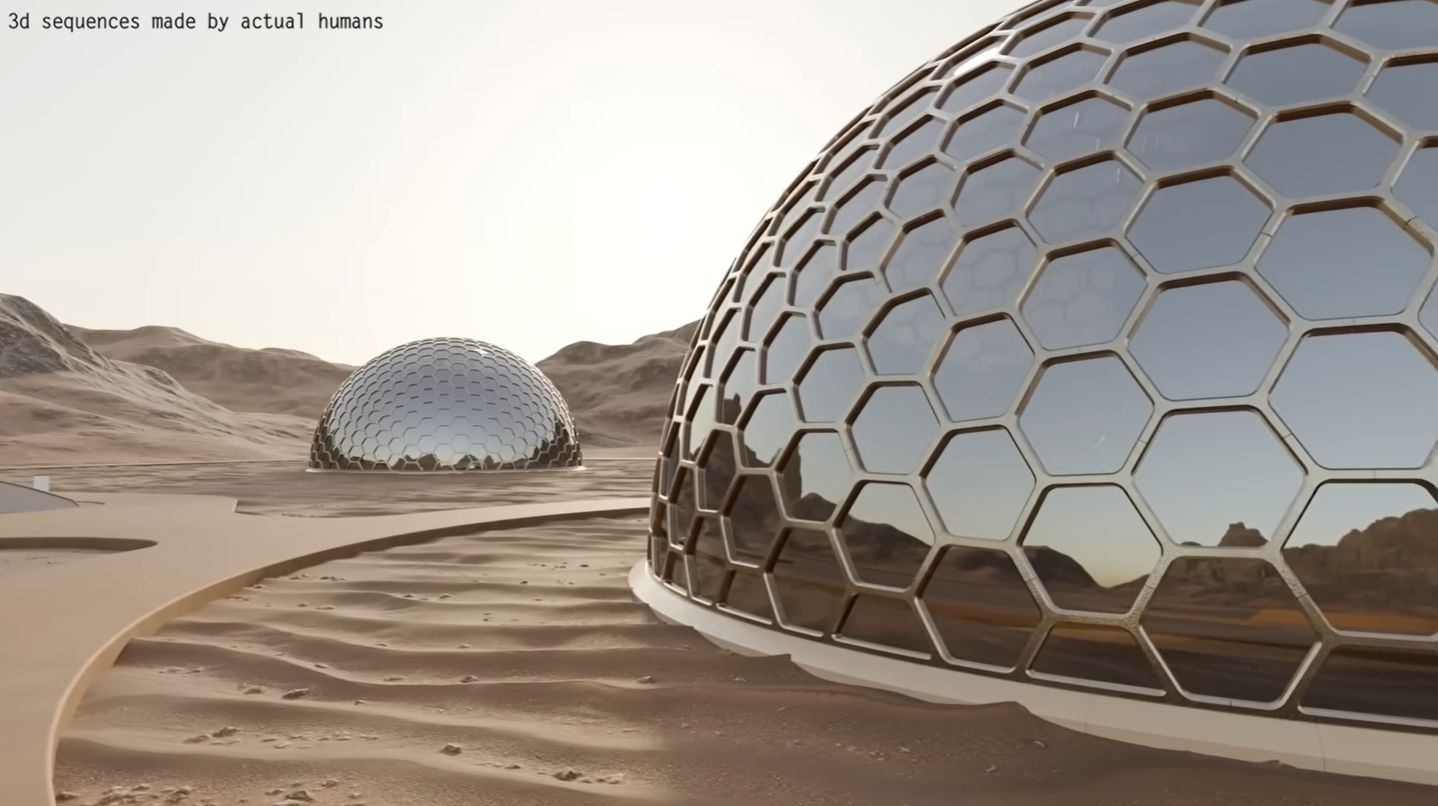
3D-printed habitats made from moon dust
solar farms near lunar craters
water extraction from frozen lunar ice
fully recycled air and water systems
Experts believe complete self-sufficiency will be essential if humans want to survive long-term on the Moon.
Growing Food on the Moon
A permanent moon base cannot rely forever on supply missions from Earth. That’s why scientists are developing closed-loop ecosystems capable of producing food, oxygen, and water independently.
One of the earliest experiments was Biosphere 2 in the United States, where researchers attempted to create a fully sealed ecosystem containing humans, animals, and plants. The system became unstable, species died off, and ecological balance collapsed.
The European Space Agency later developed the MELiSSA project, focusing on a much simpler circular ecosystem involving:
humans
bacteria
plants
Human waste is processed by bacteria into nutrients and CO2, which plants then use to generate oxygen and food. This circular system could become the foundation of sustainable lunar life.
Mental Health Could Become the Biggest Challenge
Technology alone will not guarantee survival on the Moon.
Vermeulen himself participated in the HI-SEAS isolation program in Hawaii, where crews lived in simulated space mission conditions for months. Researchers discovered that astronauts struggled most with:
lack of privacy
social isolation
delayed communication
limited supplies
constant monitoring from mission control
One major conclusion stood out: autonomy is critical for mental wellbeing. The more freedom crews experienced, the stronger their motivation and teamwork became.
The Future of Moon Colonization
In 2026, global space programs are accelerating plans for permanent lunar missions. NASA’s Artemis program aims to return humans to the Moon, while private aerospace companies are investing in commercial lunar infrastructure.
The first long-term lunar residents will likely include:
scientists
engineers
AI specialists
biologists
food technologists
The Moon is no longer just a destination for exploration — it may become humanity’s first true off-world civilization.
Final Thoughts
Living on the Moon in 2026 is no longer only about rockets and space suits. It’s about sustainability, psychology, ecology, and complete independence from Earth.
The real challenge won’t simply be surviving on the Moon.
Living on the Moon in 2026: What Life Beyond Earth Could Really Look Like
When Neil Armstrong first stepped onto the Moon in 1969, permanent life beyond Earth sounded like pure science fiction. But in 2026, that future is becoming increasingly realistic.
Thanks to next-generation s...
Wie Is Eigenaar van de Maan? De Nieuwe Ruimterace om Mars, Maanbases en Ruimte-Economie
Door put-it-on.online:
De wereld staat aan het begin van een nieuw ruimtevaarttijdperk. Waar ruimtevaart vroeger uitsluitend werd gedomineerd door nationale ruimteagentschappen zoals NASA of Roscosmos, zien we...
Alarmbel Europa’s techleiders: “Handel als één, of raak achterop”
Bron : Door: Bart Brouwers ,Medeoprichter van Media52 en hoogleraar Journalistiek, bouwt aan IO+, events en Laio, met focus op commerciële kansen en blijft schrijven voor IO+.
Zes van Europa’s meest invloedrij...
The Space Race is gewijd aan de verkenning van de ruimte en de missie van de mensheid om het universum te ontdekken.
The Space Race is gewijd aan de verkenning van de ruimte en de missie van de mensheid om het universum te ontdekken.
We bieden nieuws en updates over alles wat met de ruimte te maken heeft, inclusief de SpaceX...
Living on the Moon in 2026: What Life Beyond Earth Could Really Look Like
When Neil Armstrong first stepped onto the Moon in 1969, permanent life beyond Earth sounded like pure science fiction. But in 2026, that future is becoming increasingly realistic.
Thanks to next-generation s...
Wie Is Eigenaar van de Maan? De Nieuwe Ruimterace om Mars, Maanbases en Ruimte-Economie
Door put-it-on.online:
De wereld staat aan het begin van een nieuw ruimtevaarttijdperk. Waar ruimtevaart vroeger uitsluitend werd gedomineerd door nationale ruimteagentschappen zoals NASA of Roscosmos, zien we...
The Space Race is gewijd aan de verkenning van de ruimte en de missie van de mensheid om het universum te ontdekken.
The Space Race is gewijd aan de verkenning van de ruimte en de missie van de mensheid om het universum te ontdekken.
We bieden nieuws en updates over alles wat met de ruimte te maken heeft, inclusief de SpaceX...